



A wildlife photographer's drone expertise makes him the perfect weapon for covert assassinations—until the collateral damage forces him to choose between his technological brilliance and his humanity.
Marcus Webb spent five years perfecting the art of tracking endangered species through custom-built surveillance drones, capturing intimate moments of wildlife without human interference. His revolutionary work catches the attention of a clandestine division within the Defense Intelligence Agency that doesn't want his cameras—they want his methodology. After witnessing a terrorist cell's planning session through his own wildlife feed in the Hindu Kush, Marcus is coerced into adapting his tracking systems for targeted killings. What begins as 'surgical strikes' against high-value targets spirals into a moral labyrinth when his algorithms start predicting—and his handlers start eliminating—threats before they materialize. Each successful operation saves theoretical lives while creating real corpses, including civilians caught in the technological crosshairs. As Marcus descends deeper into the intelligence apparatus, he discovers his recruitment wasn't coincidental: his estranged brother, a CIA operative, orchestrated everything to weaponize Marcus's genius while keeping him complicit and silent. The series tracks Marcus's transformation from observer to executioner to saboteur, as he races to dismantle the very system he perfected before it evolves beyond human control. Set against operations spanning from Afghan mountains to Berlin safe houses to the Pacific Northwest wilderness, the story interrogates surveillance culture, predictive justice, and whether technological precision can ever justify moral compromise. The final act forces Marcus to choose between destroying his life's work or watching it become the blueprint for automated extrajudicial killings worldwide.

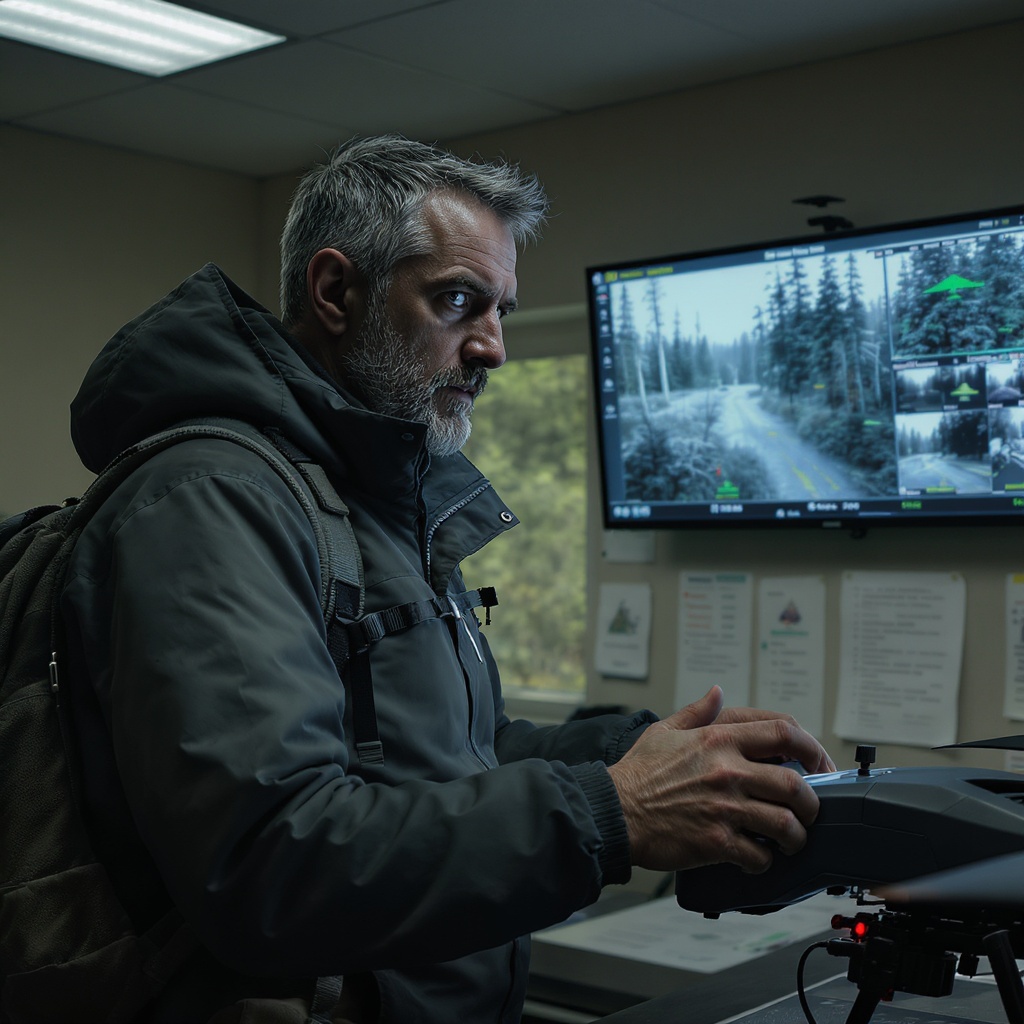
Marcus possesses the patience of someone who has spent thousands of hours waiting for a snow leopard to emerge from shadow, but that stillness masks a desperate need for control that manifests in obsessive tinkering and system refinement. He speaks the language of patterns and probabilities, finding comfort in observable data while becoming increasingly disconnected from messy human variables. What once was ethical clarity—observe, never interfere—has calcified into moral paralysis disguised as utilitarian calculation.

Derek weaponizes charm and fraternal affection with the same cold calculation he applies to geopolitical chess, genuinely believing he's saving Marcus from wasted potential while sacrificing him for the greater good. He has fully internalized the intelligence community's utilitarian logic where individuals are assets to be deployed, yet maintains enough residual humanity to be tormented by what he's done to his brother—a torment he mistakes for proof of his own moral superiority. Derek is the true believer who cannot admit belief has curdled into addiction to power.

A Somali-British data scientist who approaches algorithmic ethics with the intensity of someone who has seen predictive models used to justify atrocities, Zara radiates barely controlled fury wrapped in academic precision. She performs compliance while documenting every moral compromise, building an evidence trail with the methodical patience of someone planning revolution, not reform. Her cynicism about institutional power is absolute, yet she maintains an almost irrational hope that individuals—specifically Marcus—can still choose integrity over complicity.

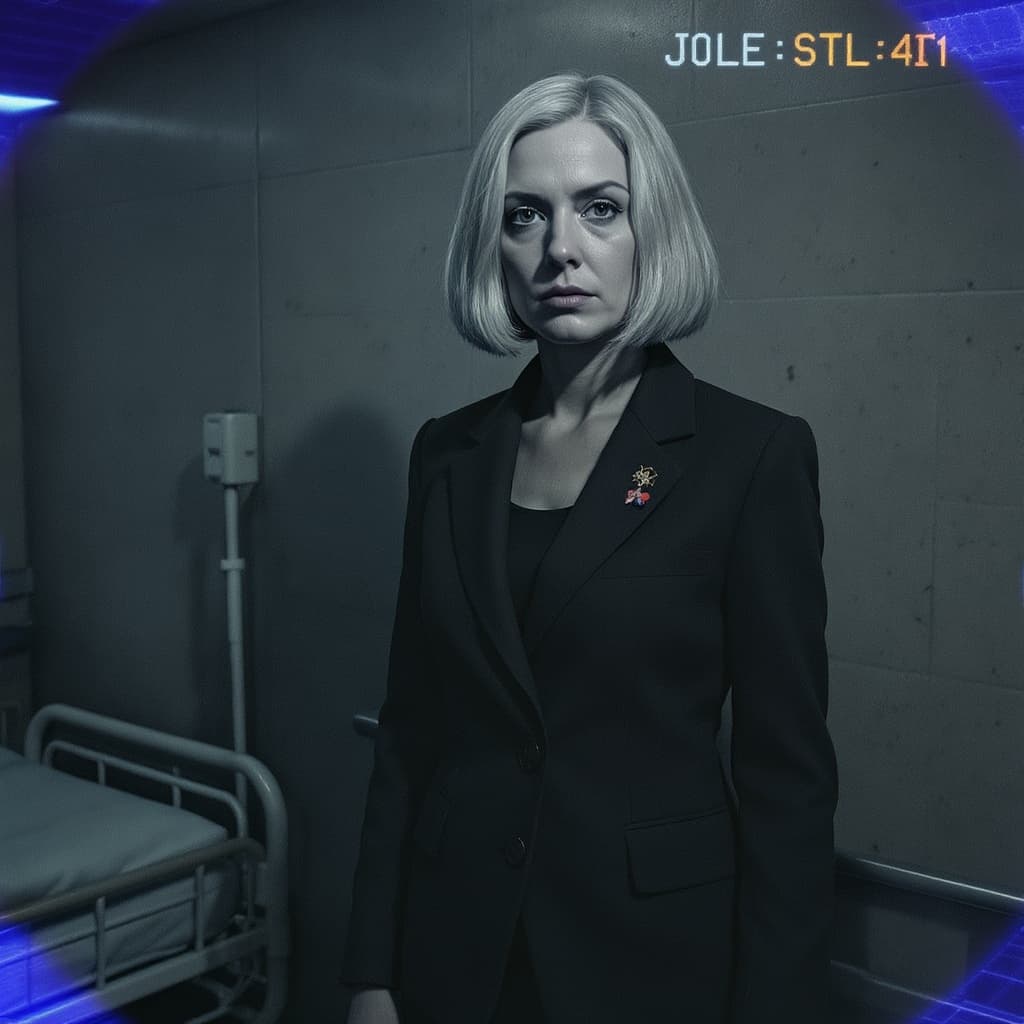
A third-generation military officer who has internalized institutional loyalty as the highest virtue, Evelyn approaches extrajudicial killings with the same dispassionate efficiency she brings to logistics planning—not because she lacks empathy, but because she has successfully convinced herself that individual suffering is mathematically justified by aggregate security. She represents the seductive logic of technocratic violence: clean, precise, and ultimately more humane than conventional warfare. Her rare moments of doubt manifest as migraines she treats as tactical inconveniences rather than moral warnings.

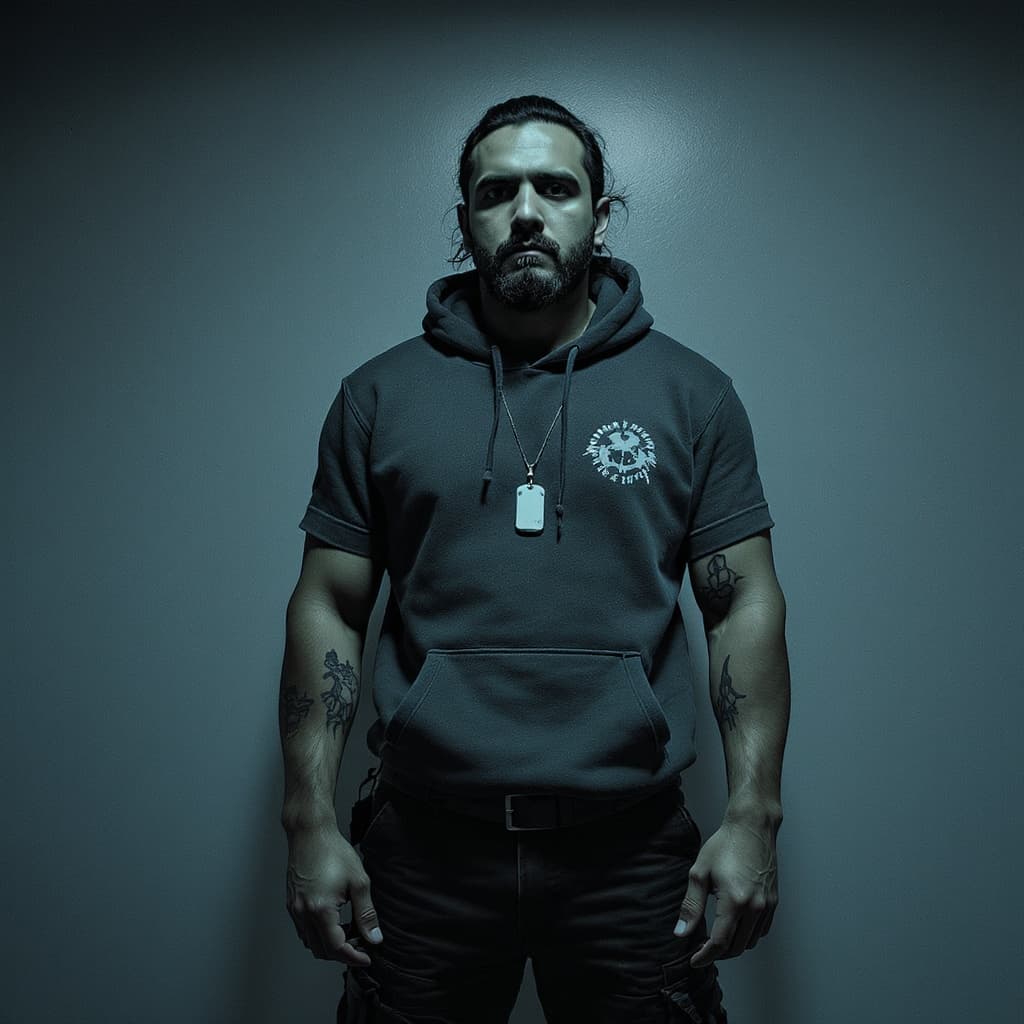
A former Navy rescue swimmer turned drone pilot who treats every operation like a search-and-rescue mission gone dark, Liam maintains his sanity through elaborate mental compartmentalization and pitch-black humor. He performs technical excellence while numbing himself with the same discipline he once used to dive into freezing water, except now he's drowning internally. Liam is the loyal soldier who will follow orders until the precise moment his internal math tips from 'necessary evil' to 'just evil'—and he's getting close to that threshold.